
Handling the Summer Heat: Commercial HVAC Tips for Western Massachusetts Businesses
Western Massachusetts summers can change quickly. One week may bring humidity and rain, while the next pushes temperatures into the 90s. During stretches of extreme heat, commercial HVAC systems are asked to do much more than simply cool the building.
When outdoor temperatures stay high for days at a time, buildings themselves begin holding heat. Roofs, concrete, brick, and other materials absorb energy throughout the day and slowly release it overnight. That means commercial cooling systems rarely get a chance to catch up, causing them to run longer and work harder than many building owners realize.
Humidity Can Be Just as Important as Temperature
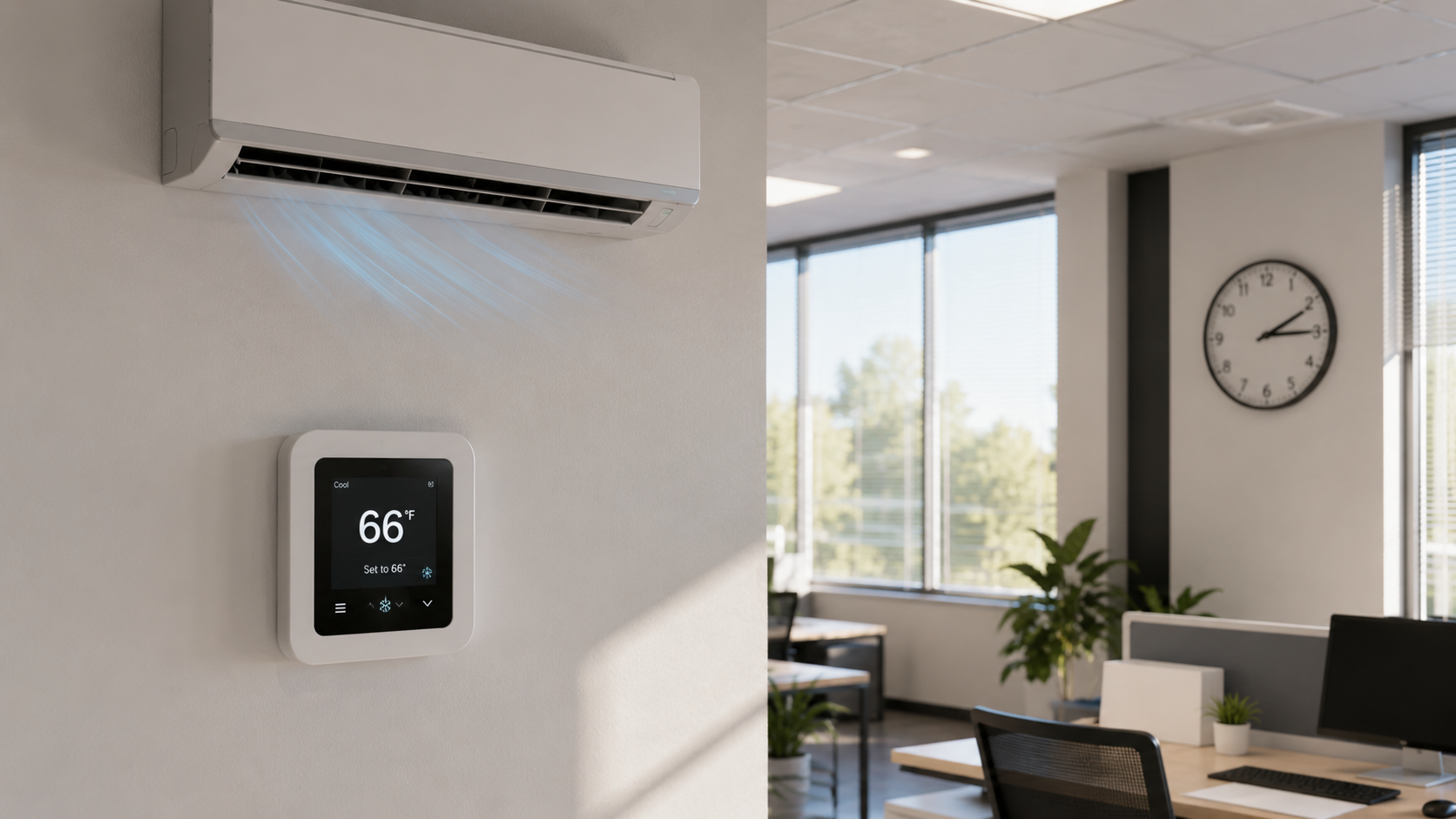
Summer comfort is not only about the number displayed on the thermostat. Humidity plays a major role in how employees, customers, and tenants experience a space. When humidity levels are high, buildings can feel uncomfortable even when temperatures appear normal.
Some systems cool the air too quickly and shut off before removing enough moisture. This process, known as short cycling, leaves spaces feeling damp rather than comfortable. Complaints about stuffiness, musty odors, or uneven comfort are sometimes related to humidity instead of temperature alone.
The good news is that these issues can usually be addressed. Reviewing cycle times and ensuring blower speeds are properly adjusted can help systems control moisture more effectively and create a more comfortable indoor environment.
Outdoor Units Need Attention During the Summer
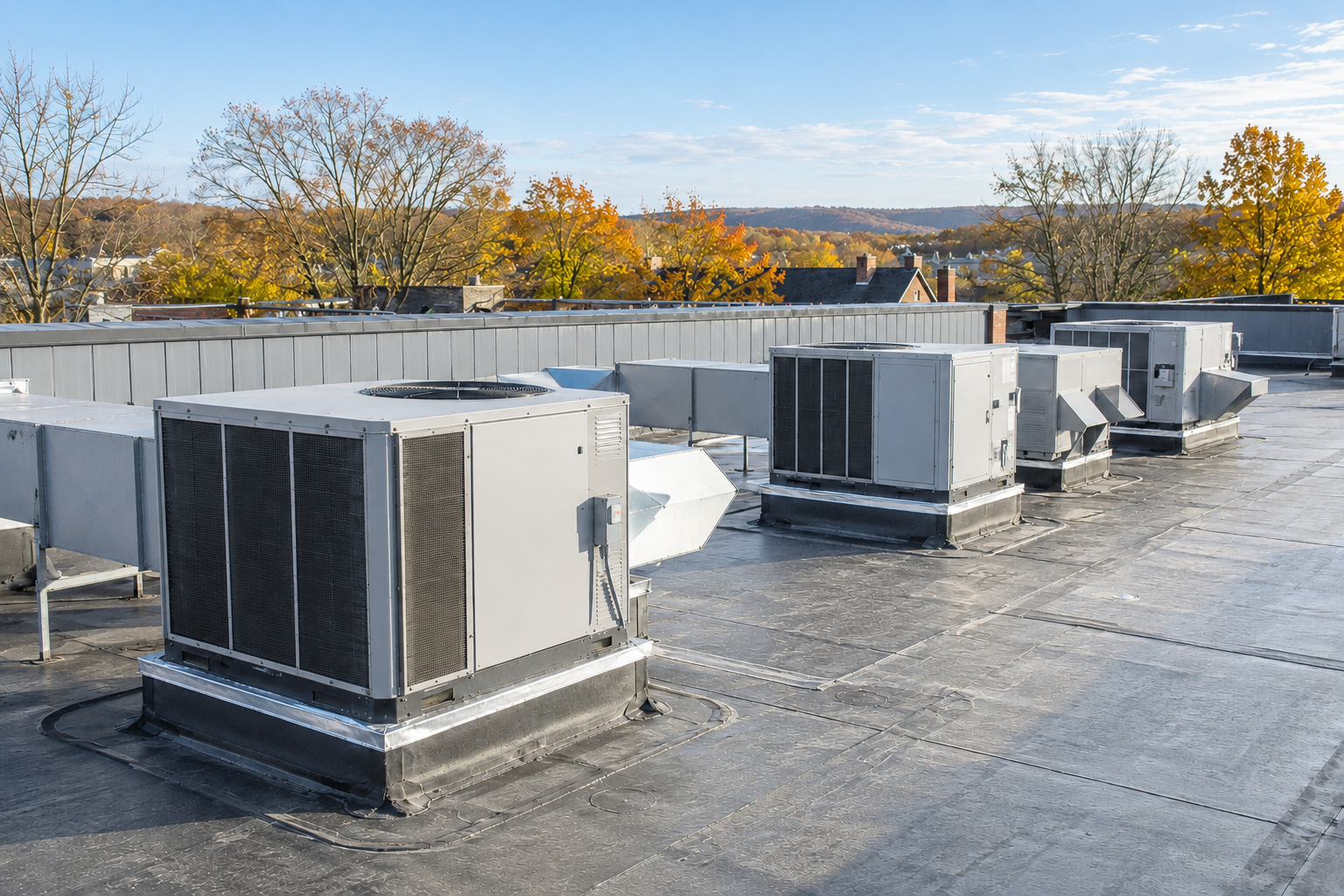
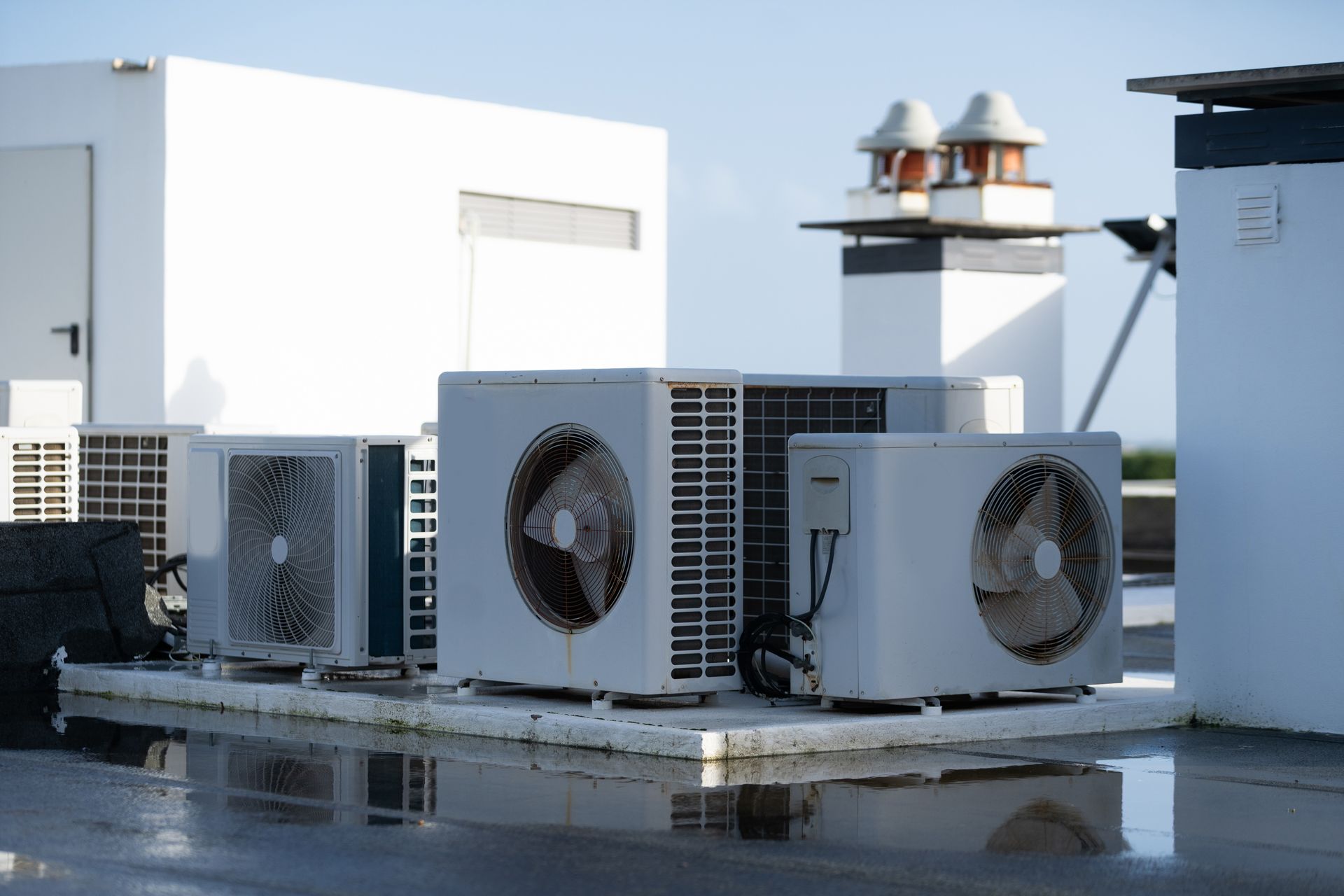
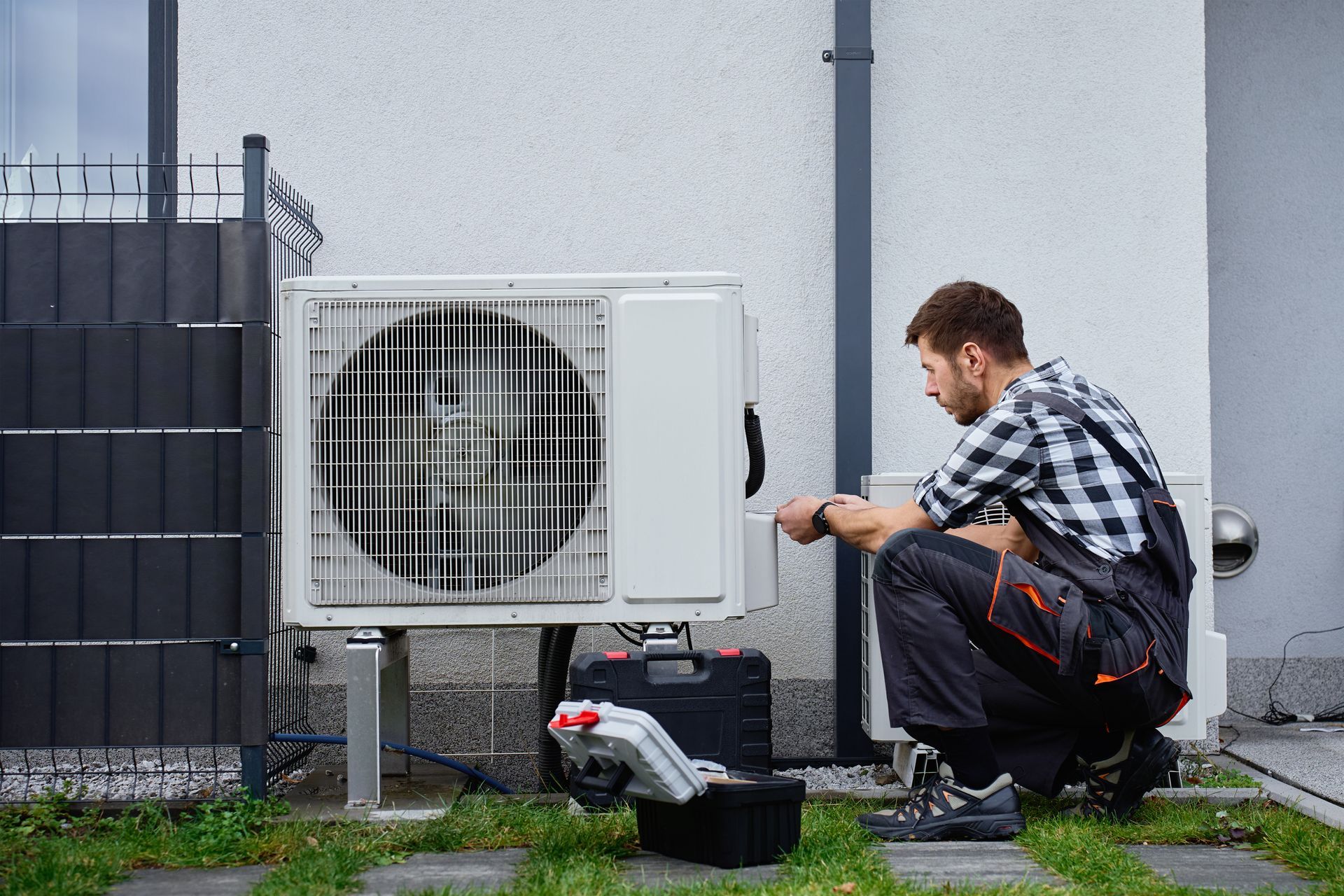
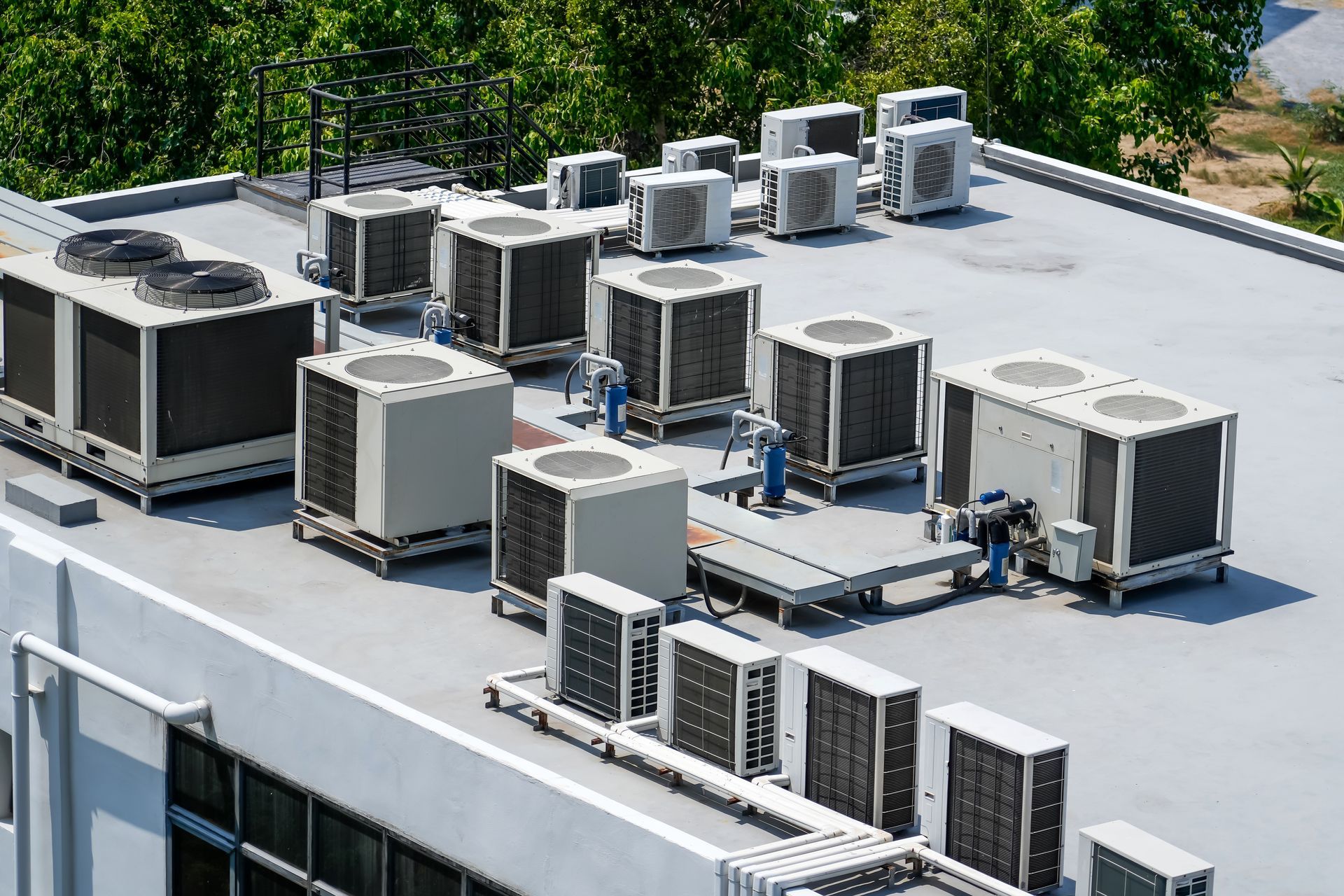
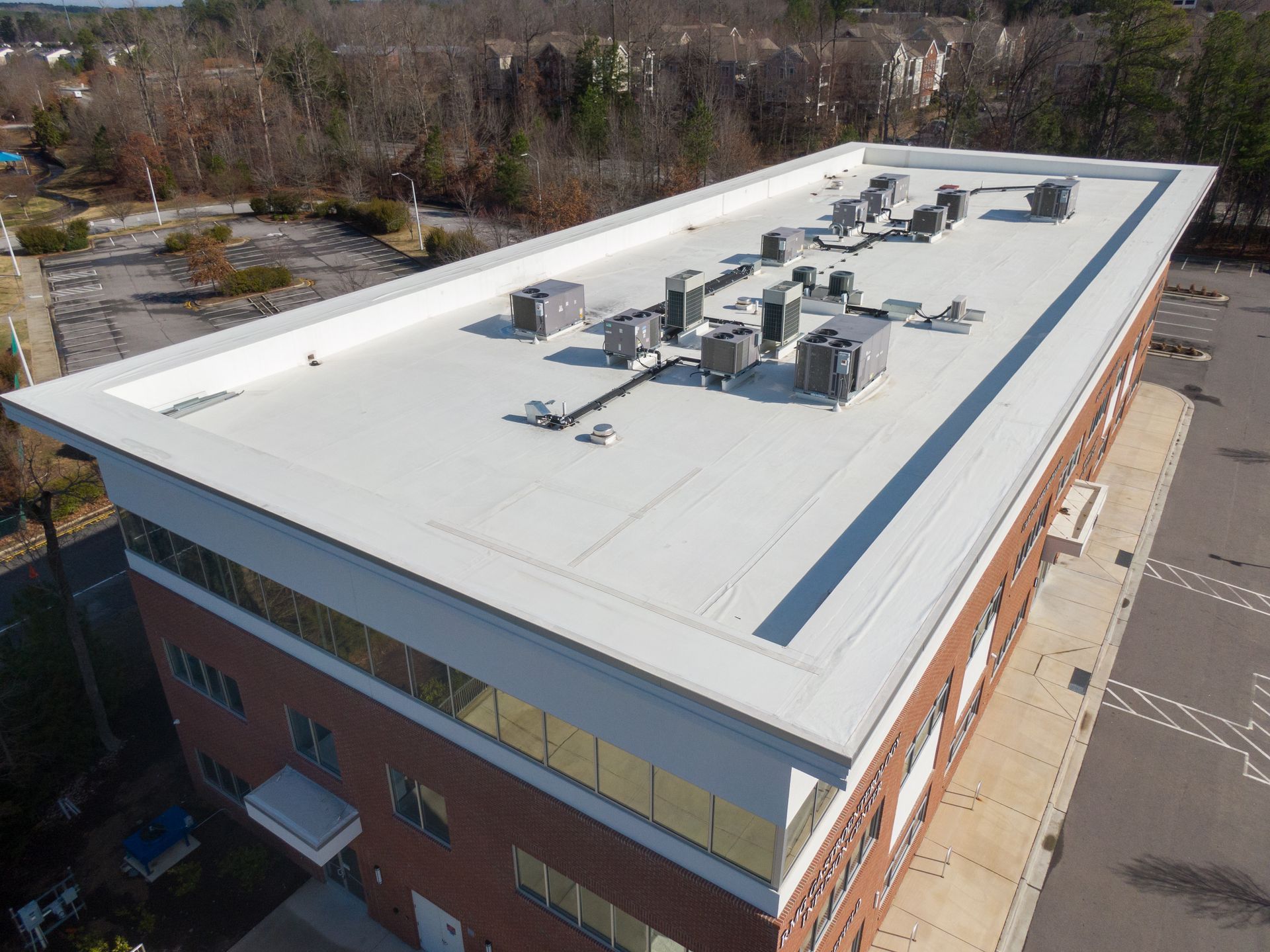
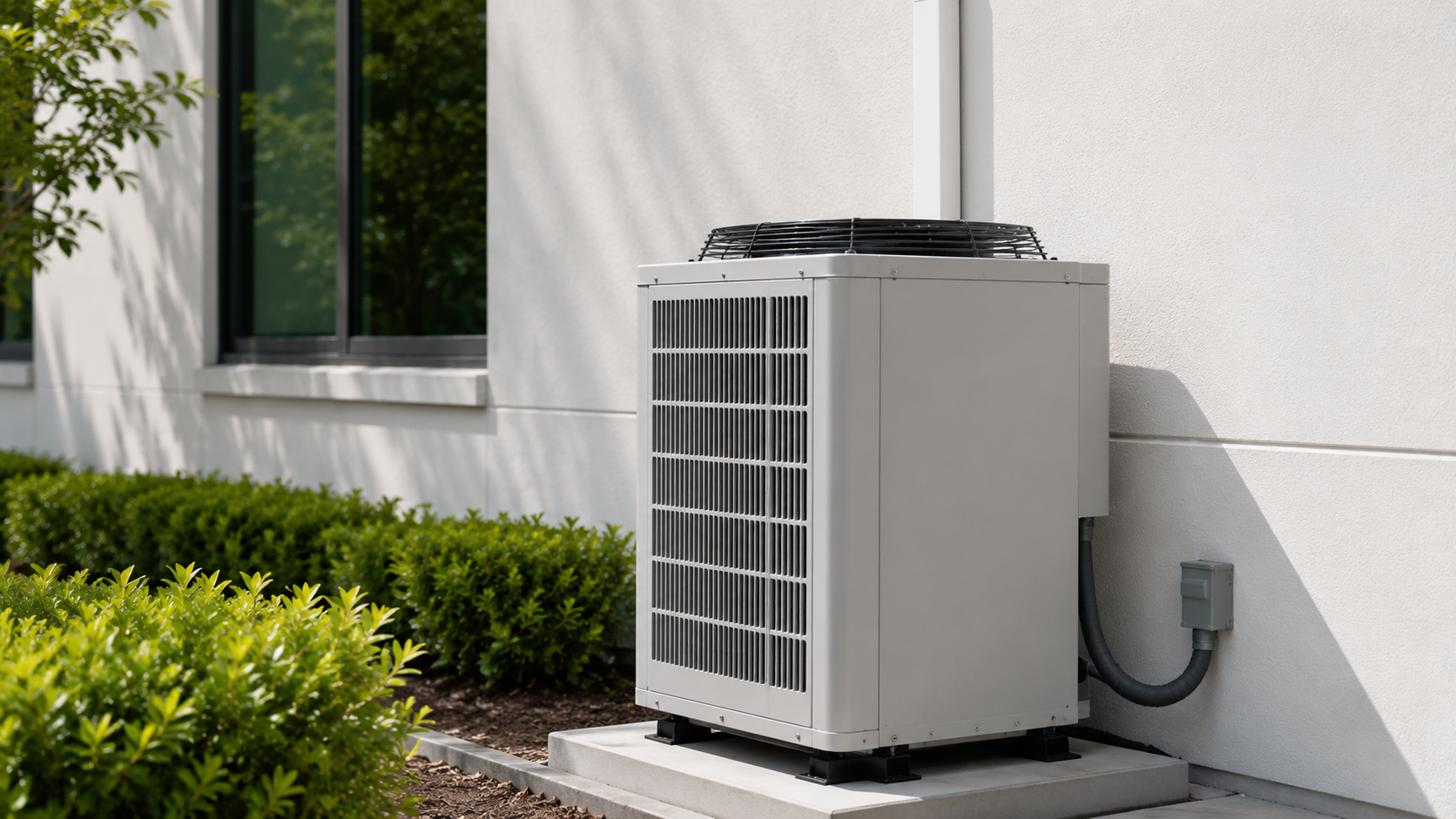
When people think about maintenance, air filters are usually the first thing that comes to mind. However, outdoor condenser units face challenges of their own during Western Massachusetts summers. Cottonwood seeds, pollen, leaves, and debris from summer storms can slowly collect around the coils.
Blocked coils make it harder for equipment to release heat. As airflow becomes restricted, the system has to work harder to maintain cooling. This added strain can lead to reduced performance and increase the chances of breakdowns during the hottest part of the afternoon.
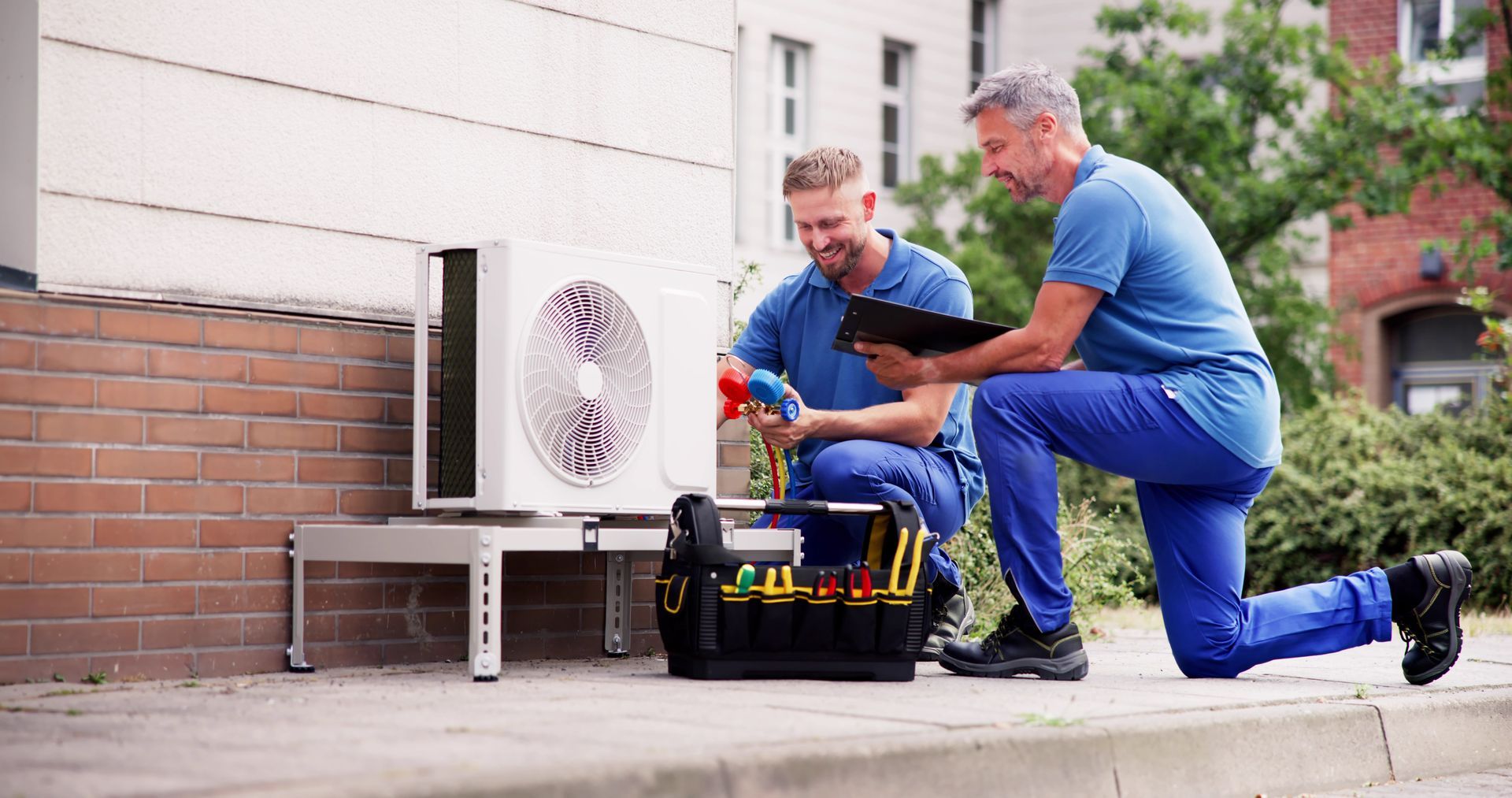
Keeping outdoor units clean and documenting regular coil washdowns can go a long way toward maintaining efficiency. Simple preventive maintenance can help reduce unnecessary wear and keep cooling performance more consistent throughout the season.
Peak Summer Demand Can Affect Energy Costs
The hottest days of summer are also when utility usage reaches its highest point. Commercial buildings may experience increased demand charges during these periods as HVAC systems run continuously to maintain indoor comfort.
Older equipment tends to work harder during these peak hours, which can contribute to higher operating costs. Buildings with multiple zones may also experience spikes when every system starts at the same time. Looking at the bigger picture instead of focusing only on monthly energy usage can provide valuable insight into how the equipment is performing.
Small changes can sometimes make a noticeable difference. Adjusting setbacks, staggering startup times, or upgrading to variable-speed equipment can help smooth out demand spikes and improve efficiency during the hottest months of the year.
Mid-Summer Facility Audit
A quick review during the middle of summer can help building owners identify concerns before they turn into larger issues.
- Comfort: Do certain spaces feel damp even when the thermostat shows comfortable temperatures? Humidity issues may be affecting comfort more than temperature itself.
- Energy Bill: Have utility costs increased significantly compared to last summer despite similar building usage? Rising demand charges may point to declining efficiency.
- Recovery: How long does it take the building to cool down after weekends or overnight setbacks? Systems that struggle to recover may be working beyond their intended capacity.
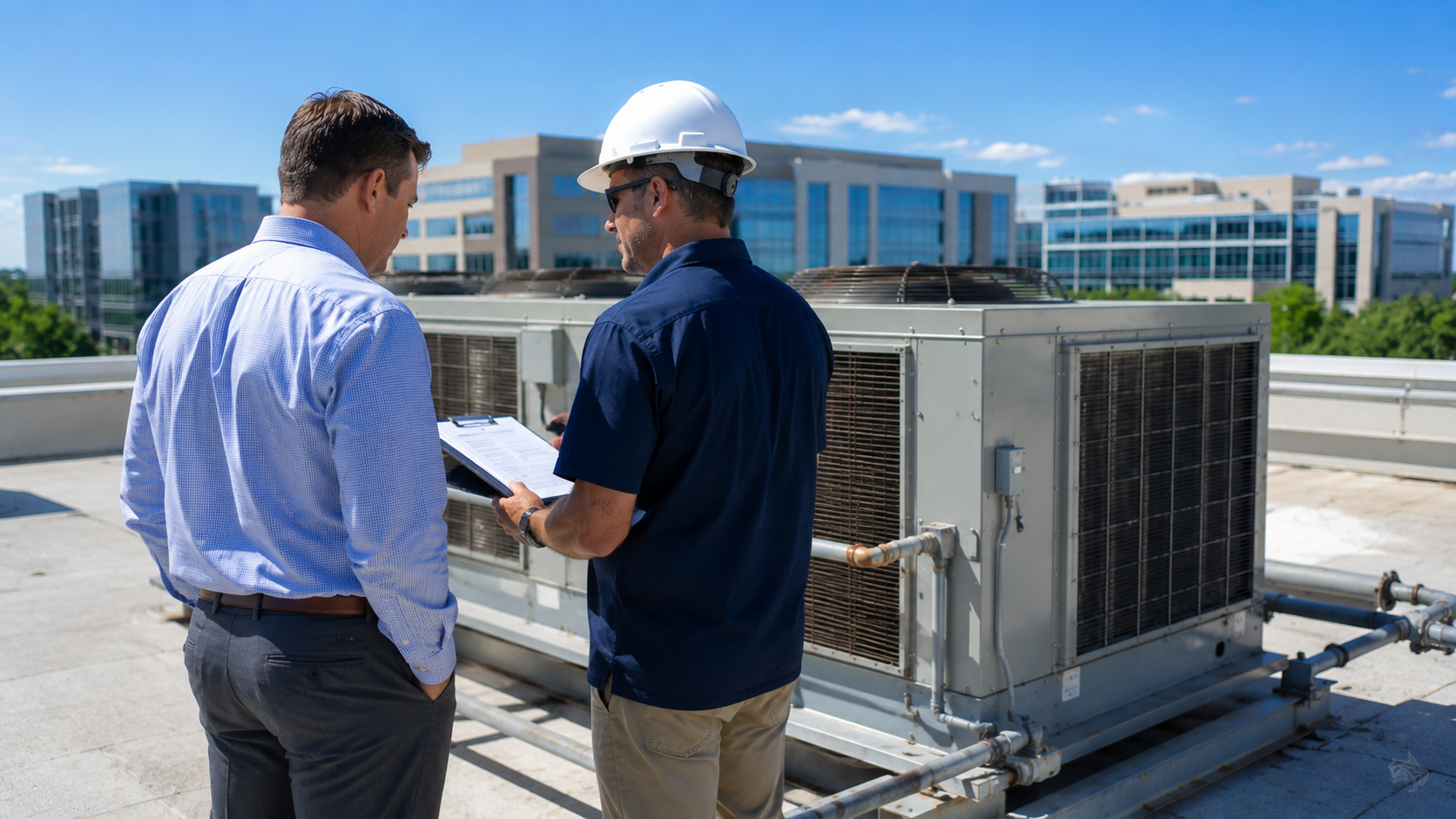
- Storm Check: After strong summer storms, has anyone checked outdoor equipment for debris or possible electrical issues? A quick inspection can help catch problems early.
Keep Your Building Comfortable Through the Rest of Summer
Heat and humidity place extra demands on commercial HVAC systems, especially during extended periods of hot weather. Paying attention to moisture levels, outdoor equipment, and energy usage can help reduce strain and improve performance throughout the season.
At McCormick Allum, we help businesses throughout Western Massachusetts stay ahead of
cooling issues with
commercial HVAC repair,
HVAC installation near me, and ongoing HVAC maintenance services. If your building is struggling to keep up with the summer heat,
contact our team today to schedule an inspection and keep your system running strong.