

Commercial HVAC Maintenance Checklist for Spring 2026
Spring is a good time for commercial properties in Western MA to look at their HVAC systems. After months of steady heating use, equipment should be inspected before switching fully into cooling mode. Seasonal maintenance helps keep systems operating the way they should.
Commercial buildings depend on reliable heating and cooling every day. Offices, schools, warehouses, and retail spaces all require steady performance. A spring inspection gives facility managers a chance to check for wear, clean components, and make adjustments before summer arrives.
Inspect Heating Equipment After Winter Use
Heating systems work hard through the winter months. Burners, heat exchangers, and controls may show signs of wear after extended operation.
Spring service allows technicians to inspect these components while they are still accessible and fresh from use. Cleaning burners, checking ignition systems, and testing safety controls helps confirm everything is functioning properly before the next heating season. Addressing minor issues now prevents them from carrying over into the fall.
Prepare Cooling Systems Before Summer
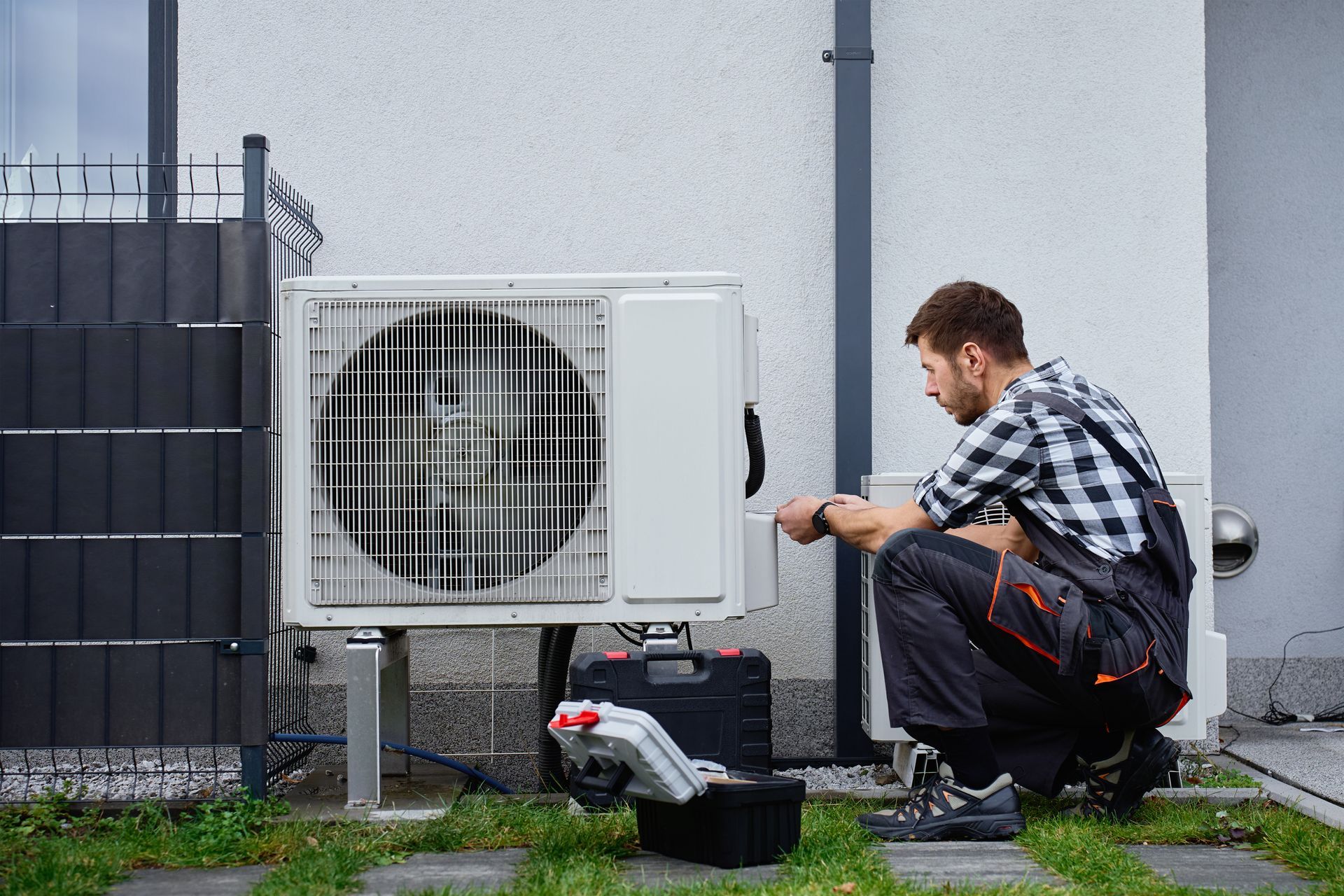
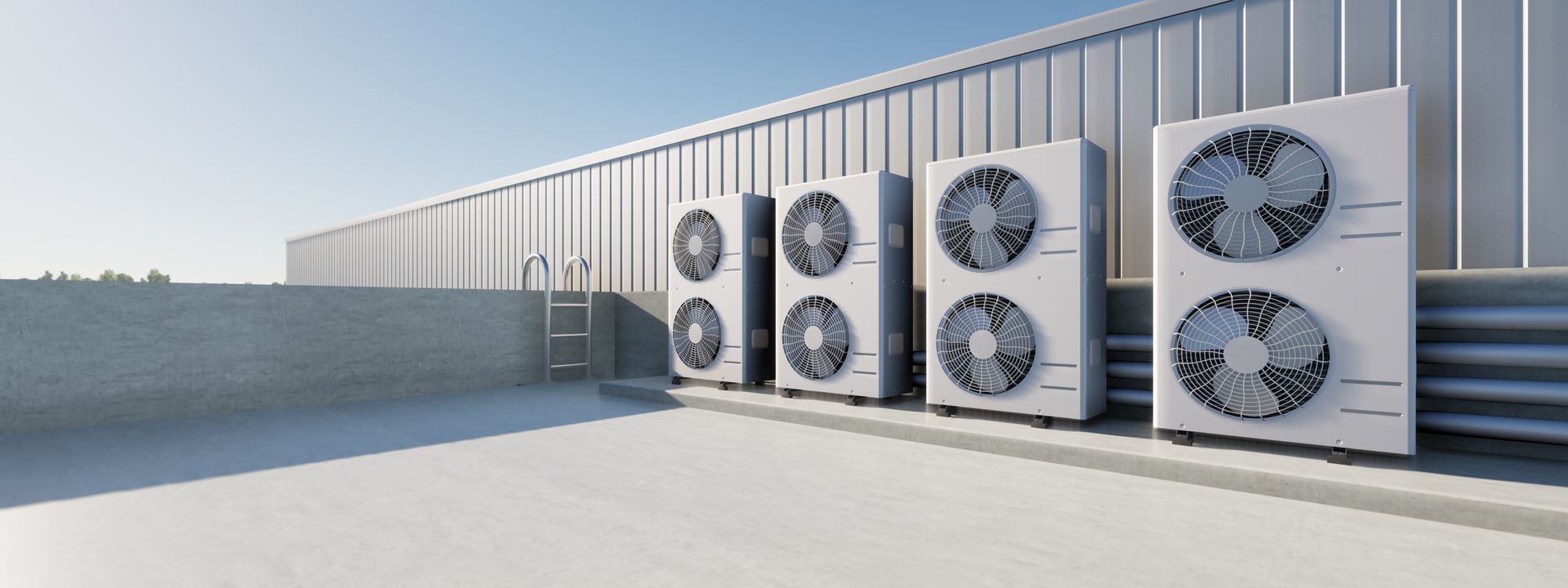
Air conditioning equipment should also be reviewed in spring. Condenser coils may have collected debris, and refrigerant levels should be checked before cooling becomes a daily need.
Testing thermostats and control systems ensures the building responds correctly as temperatures change. Belts, motors, and electrical connections should be inspected to confirm they are in good condition. Taking care of these items early helps avoid unexpected repairs during warmer months.
Review Airflow and Ductwork
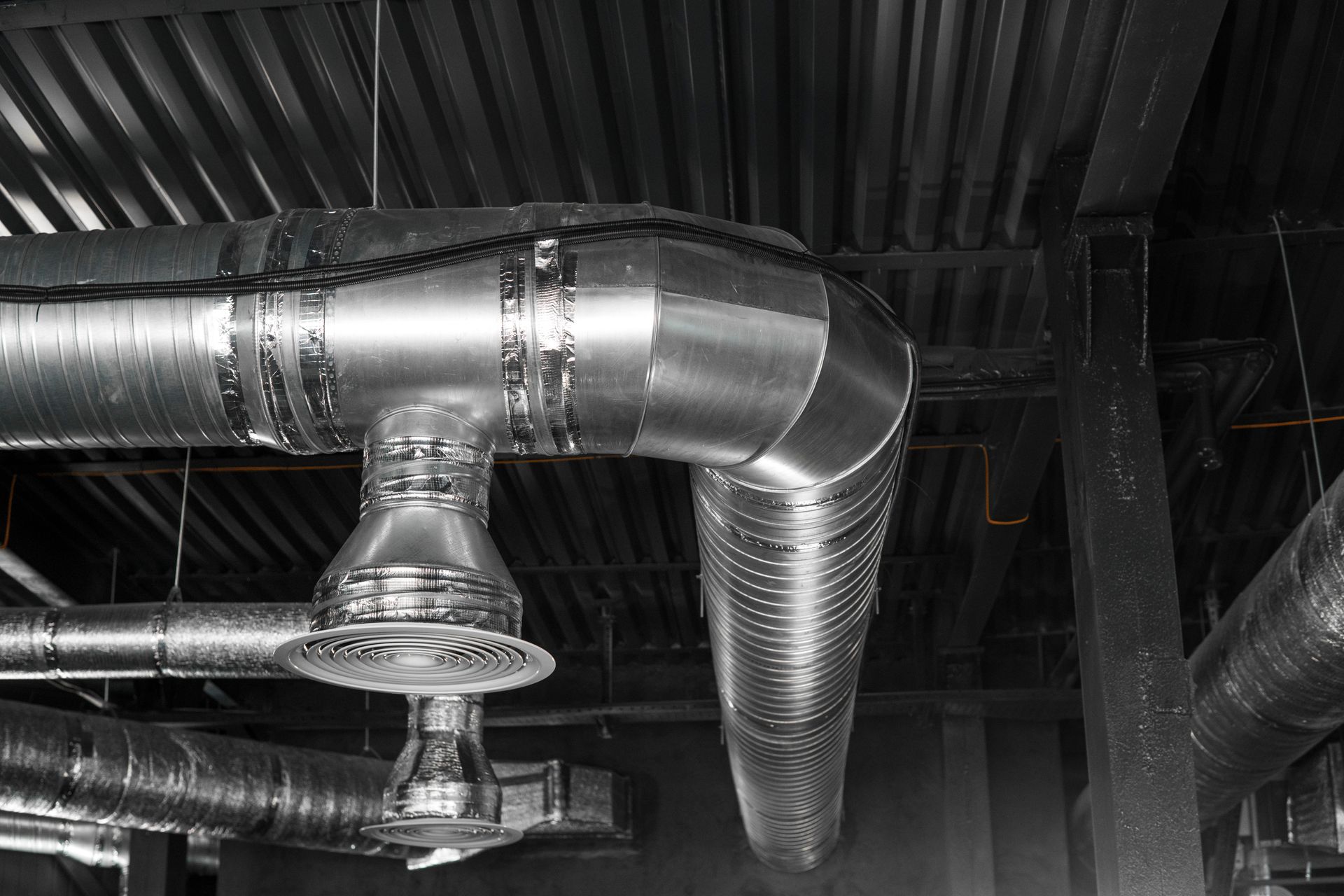
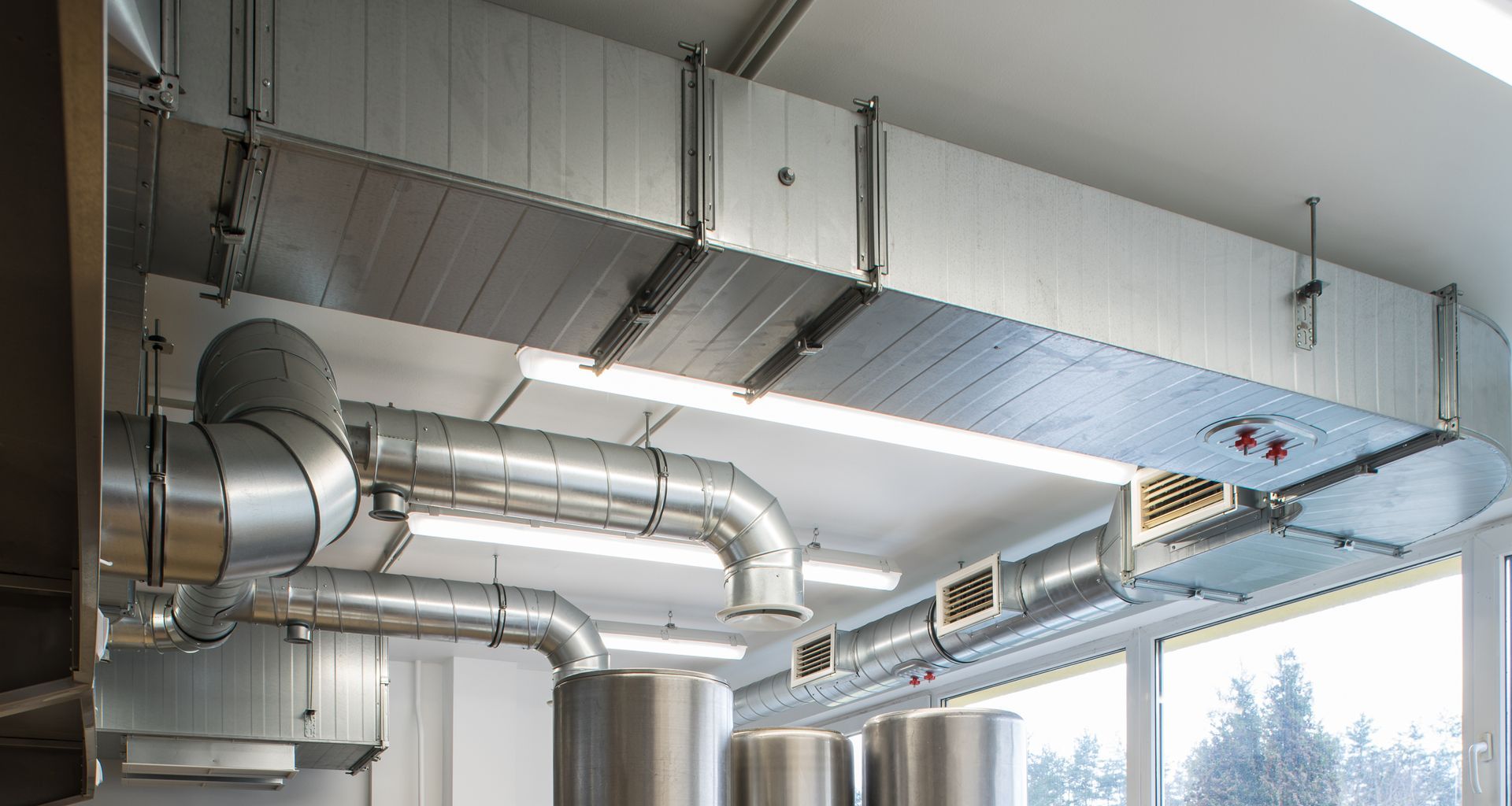
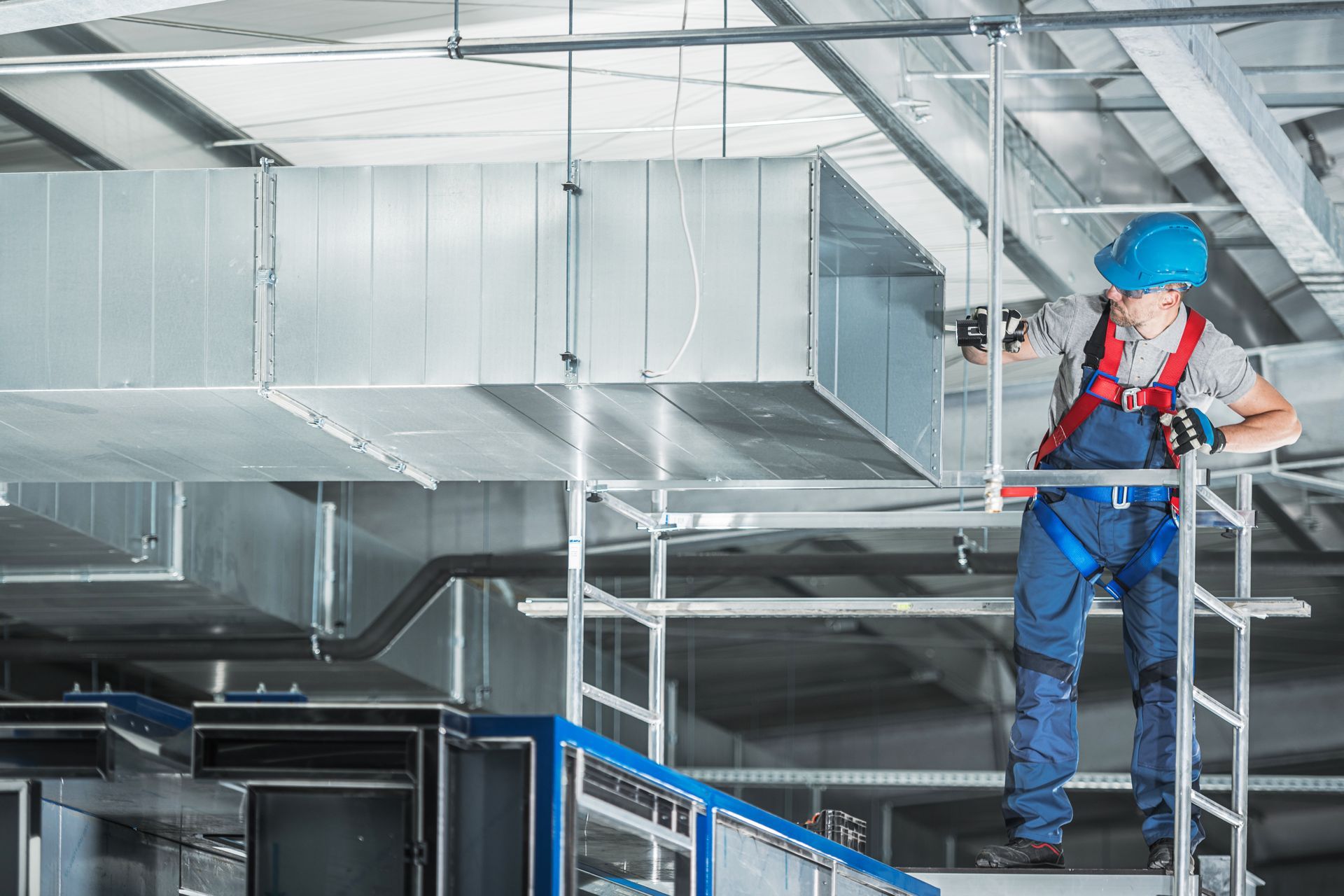
Airflow plays a major role in commercial HVAC performance. Uneven temperatures in different areas of a building can point to duct leaks, blocked vents, or unbalanced systems.
Spring is a good time to inspect ductwork for visible gaps or damage. Air filters should also be replaced regularly to maintain steady airflow.
When airflow is consistent, systems do not have to work harder than necessary. This helps maintain steady indoor temperatures across the entire facility.
Key Areas to Include in a Spring HVAC Check
A commercial spring maintenance visit should include a full system review. Important checkpoints include:
- Inspect and clean heating components
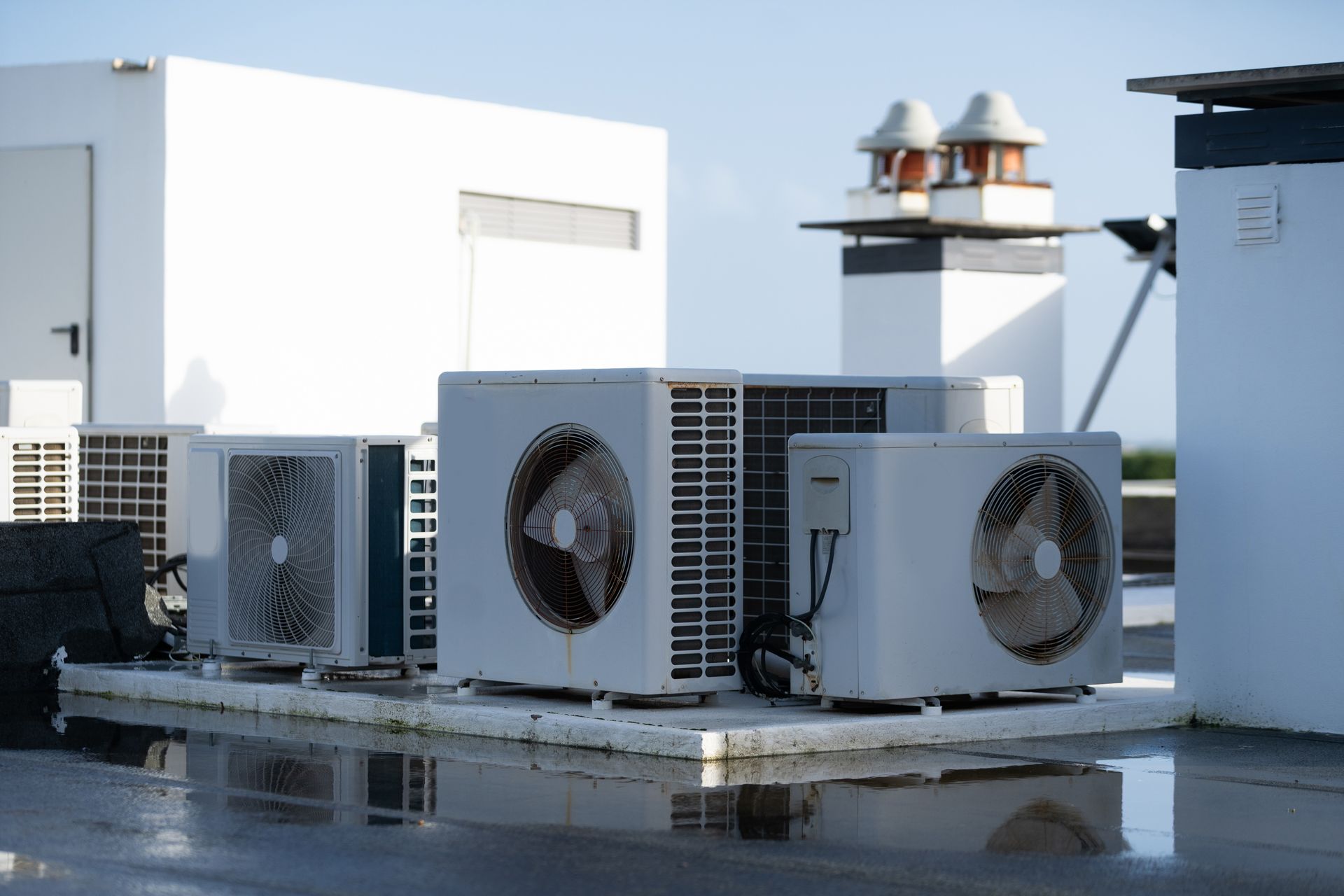
- Clean condenser and evaporator coils
- Replace air filters
- Check refrigerant levels
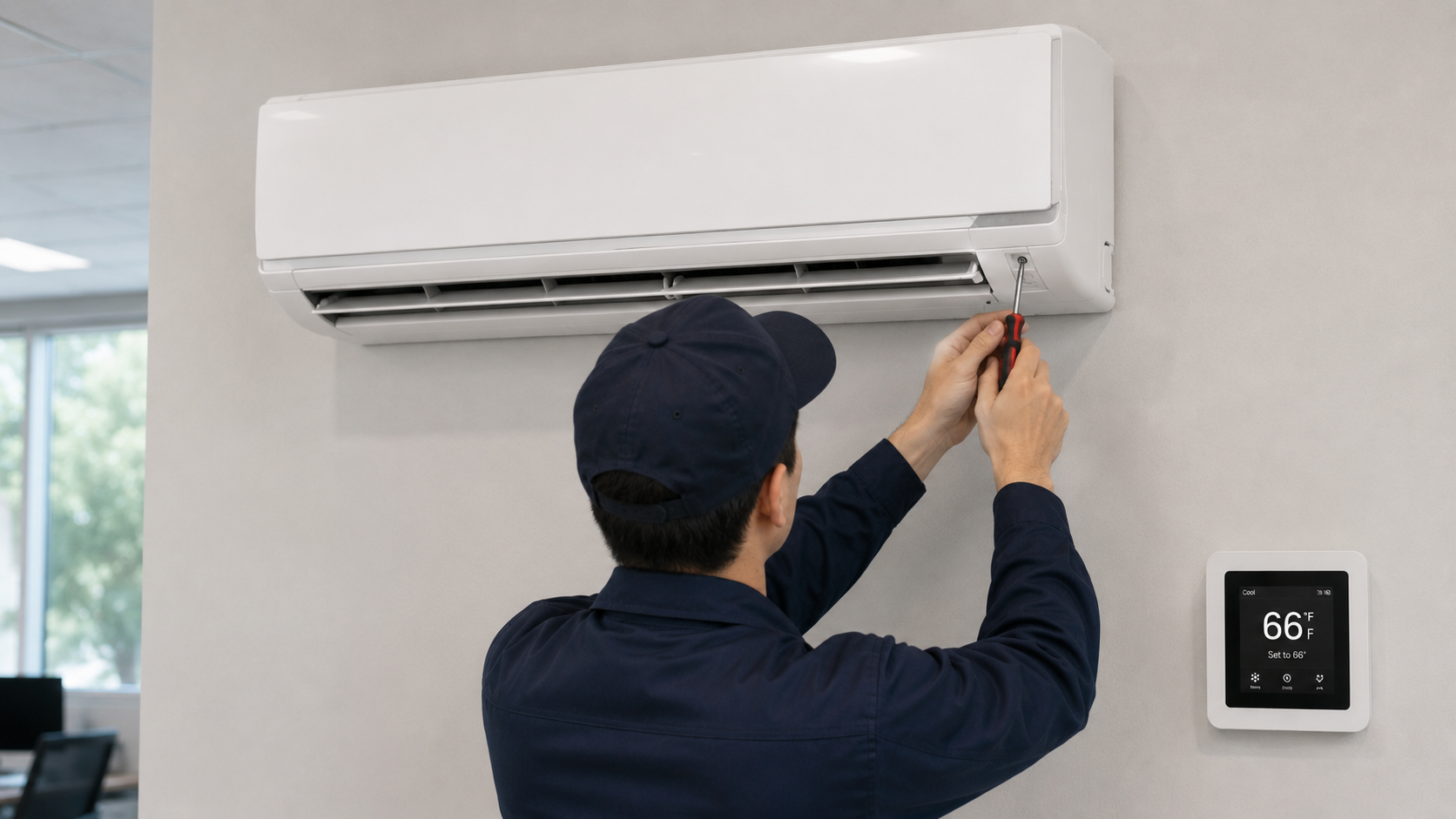
- Test thermostats and building controls
- Inspect electrical connections
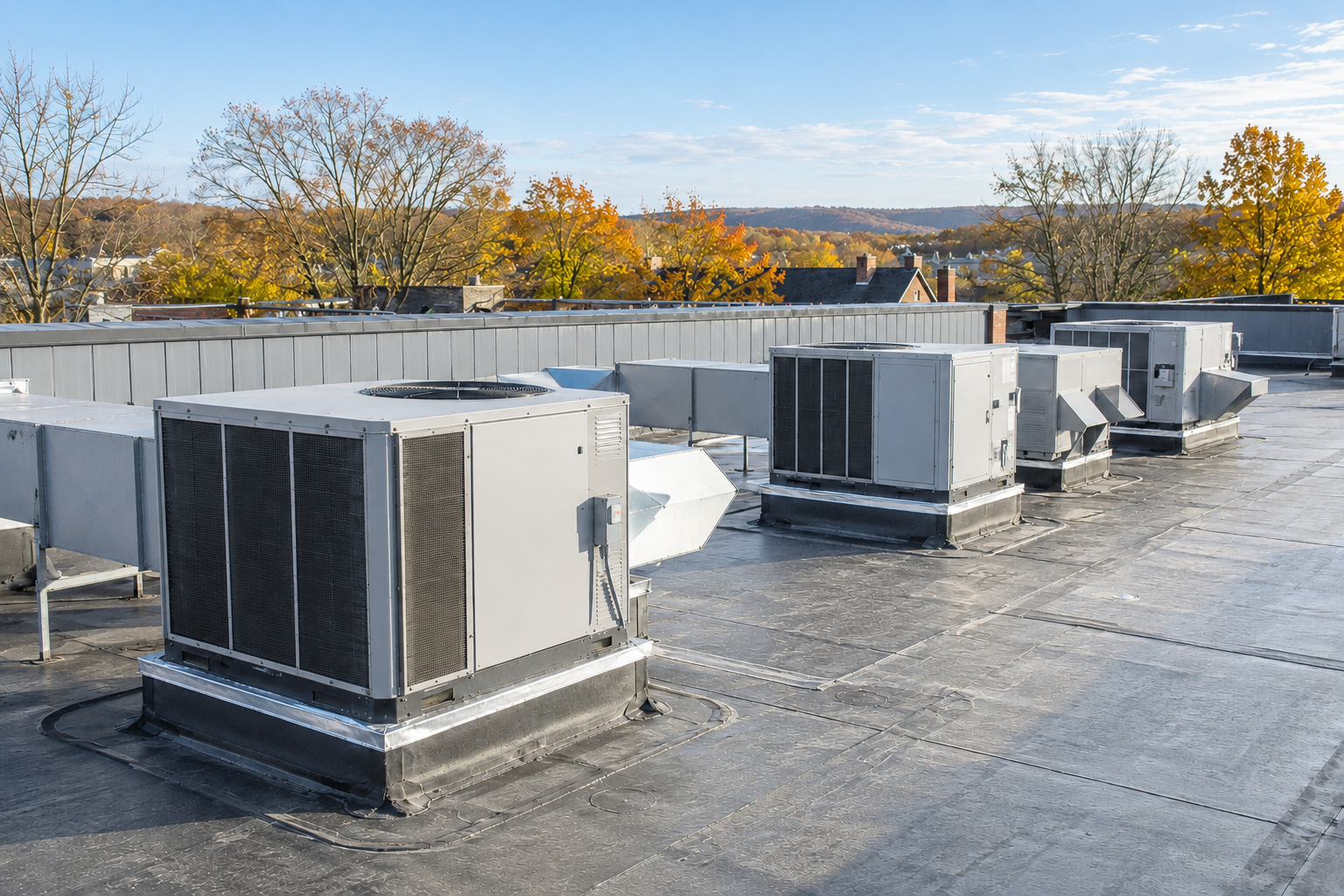
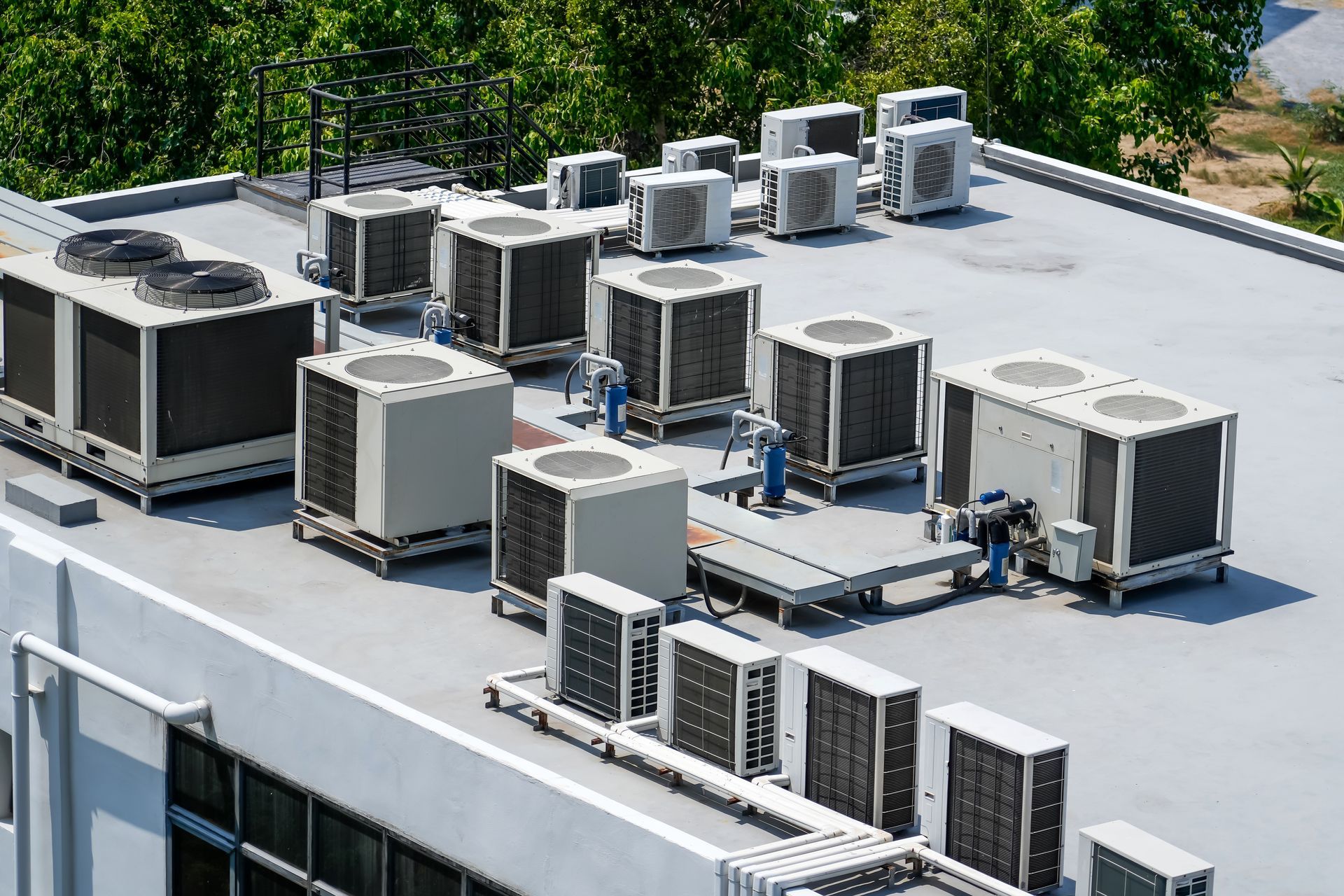
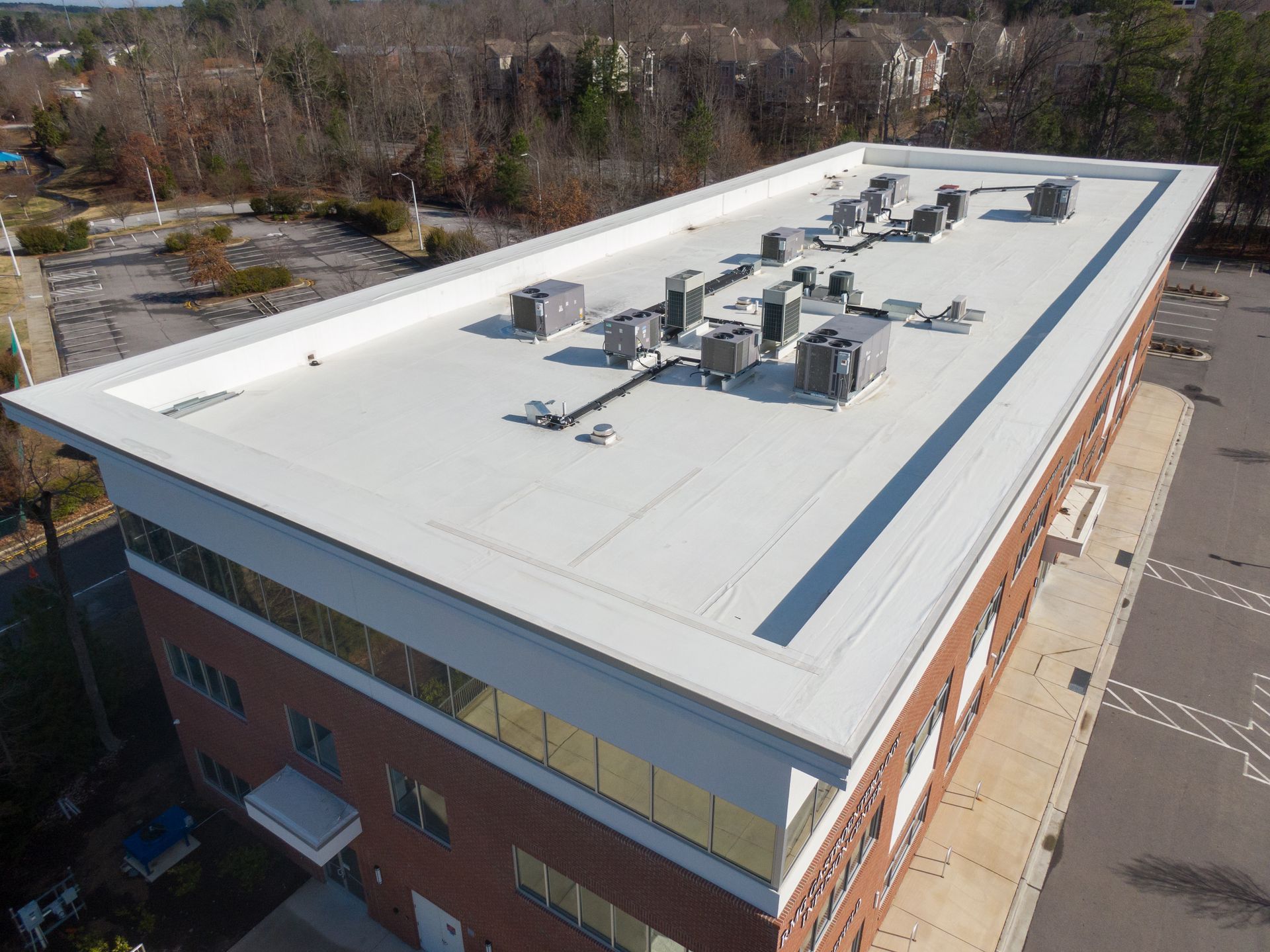
- Examine rooftop units for weather damage
Covering these areas ensures both heating and cooling components are ready for the months ahead.
Consider the Age of Your Equipment
Many commercial properties in Western Massachusetts operate with HVAC systems that have been in place for years. Age alone does not require replacement, but it does call for closer attention.
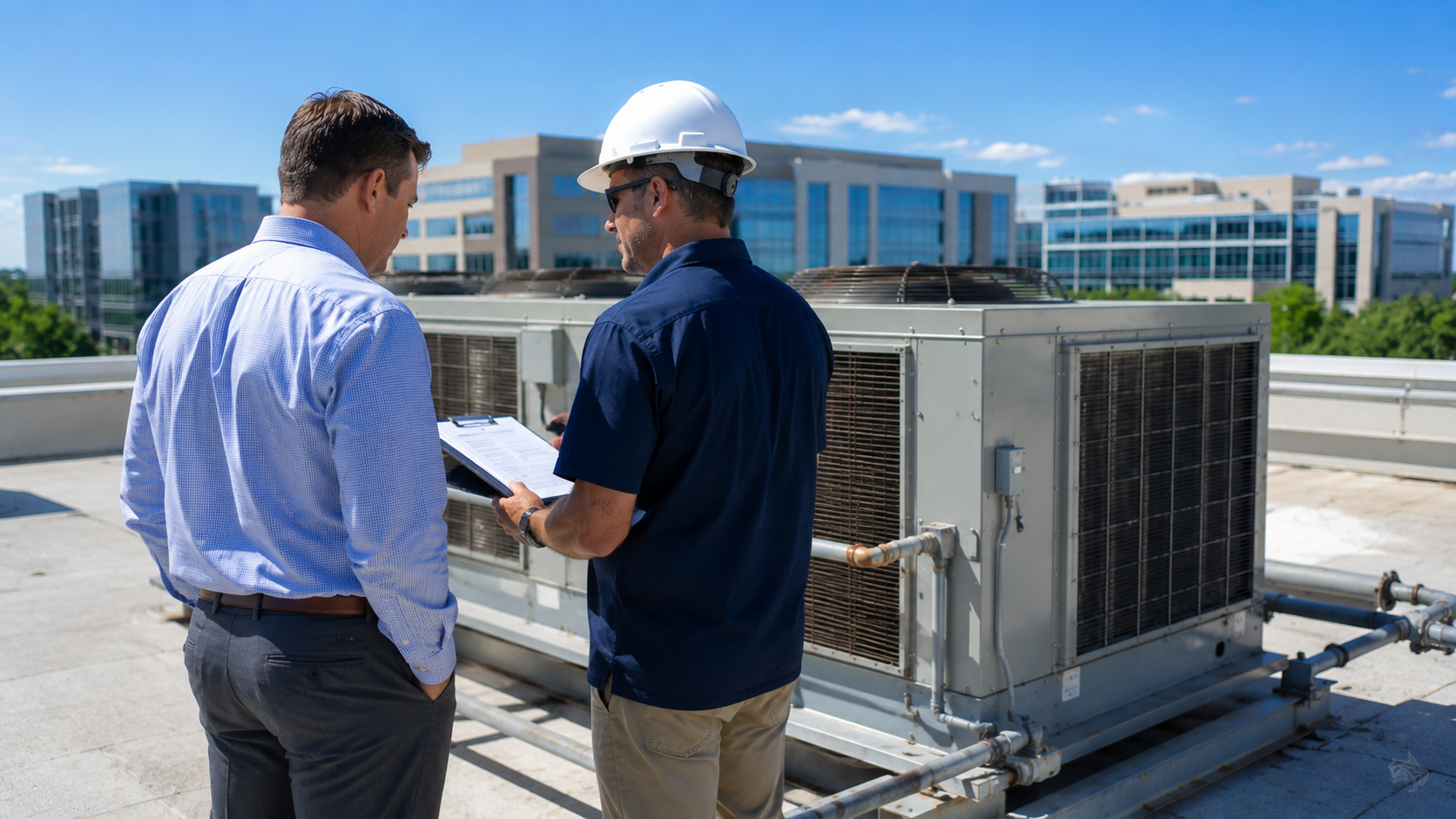
Spring inspections allow building managers to evaluate overall condition. If repairs are becoming more frequent or parts are wearing down, it may be time to discuss long-term planning. Reviewing equipment condition during spring provides time to make decisions without pressure. Even if replacement is not needed, targeted repairs or component updates can extend system life and improve performance.
Schedule Spring 2026 HVAC Service
Routine maintenance keeps commercial HVAC systems steady and reliable. Spring offers a practical opportunity to inspect heating equipment after winter use and prepare cooling systems before warmer weather settles in.
McCormick Allum provides commercial HVAC maintenance and service throughout Western MA. If you manage a facility and want to schedule a spring 2026 inspection, their team can review your system and address any concerns before the next season begins.
Frequently Asked Questions
How often should a commercial HVAC system be serviced?
Most commercial HVAC systems should be inspected and serviced at least twice a year, typically in the spring and fall. Regular maintenance helps keep equipment running consistently and reduces unexpected repairs.
What happens if spring HVAC maintenance is skipped?
Skipping maintenance can allow small issues to go unnoticed. Dirty coils, worn belts, or low refrigerant levels may affect performance and lead to higher energy use or equipment strain.
How long does a commercial HVAC inspection take?
The length of an inspection depends on the size of the system and the building. Smaller facilities may take a few hours, while larger properties may require more time for a complete review.
Can spring maintenance help extend the life of HVAC equipment?
Yes. Cleaning components, checking connections, and addressing minor wear early can help reduce stress on the system and support longer equipment life.